
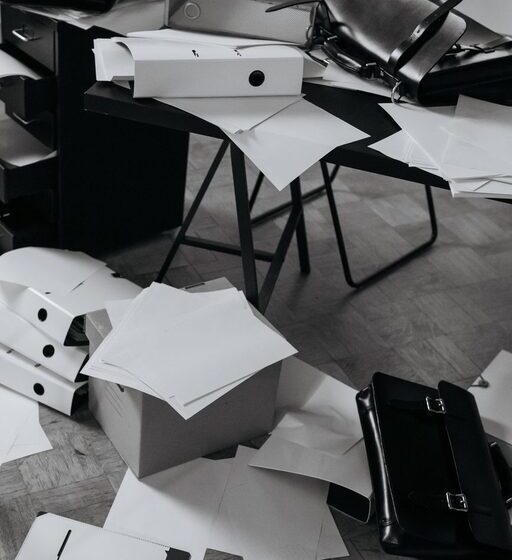

Keeping household paper clutter under control can feel overwhelming, especially when bills, receipts, school papers, and junk mail seem to pile up endlessly. However, reducing paper clutter doesn’t require a complete overhaul or complicated systems. With a few simple strategies, you can manage your paper more efficiently and enjoy a tidier, more organized home.
In this post, we’ll explore practical ways to reduce paper clutter, maintain order, and create systems that work for your lifestyle.
Why Reducing Paper Clutter Matters
Paper clutter isn’t just an eyesore; it can add stress, waste valuable time, and make it harder to find important documents when needed. Reducing clutter helps you:
– Save time searching for papers
– Create a cleaner and more welcoming space
– Improve focus and reduce anxiety
– Protect important documents by keeping them organized
Step 1: Conduct a Paper Decluttering Session
Start by gathering all your papers from around the house—desk, drawers, counters, mail piles. Sort them into categories, such as:
– Bills and financial documents
– Personal mail and invitations
– Receipts and warranties
– School or work papers
– Junk mail and flyers
As you sort, discard anything that is no longer needed. Shred sensitive documents before recycling.
Step 2: Go Digital Whenever Possible
One of the best ways to reduce paper clutter is to minimize the amount of paper you bring into your home.
Tips to Go Paperless:
– Sign up for electronic billing and statements with your utility providers and banks
– Use note-taking apps instead of paper notebooks
– Opt for digital tickets and confirmations for events or travel
– Use email and online invitations to avoid paper invites
Digital files are easier to store, search, and back up. Just remember to keep a well-organized digital filing system.
Step 3: Create a Mail Station
Designate a specific area in your home for sorting incoming mail. This could be a small tray, wall organizer, or a desktop file sorter.
Organize Your Mail Station With:
– An inbox for unopened mail
– A “to file” folder for important papers
– A “to act on” folder for bills or forms you need to respond to
– A recycling bin for junk mail and ads
Sorting mail daily or weekly prevents paper from piling up.
Step 4: Use Filing Systems for Important Documents
For papers you need to keep, establish a clear filing system. Choose a filing cabinet, portable file box, or a desktop organizer.
Filing Tips:
– Use labeled folders for categories such as taxes, medical, insurance, warranties, and personal records
– Keep files simple and avoid over-categorizing
– Regularly review and purge outdated documents, at least once a year
Step 5: Limit Paper Use With Simple Habits
Changing small daily habits can drastically reduce paper clutter over time.
– Avoid printing emails or web pages unless absolutely necessary
– Don’t keep every receipt—only those needed for taxes or returns
– Quickly recycle junk mail before it accumulates
– Encourage family members to follow the paper organization system
Step 6: Digitize Important Papers
For essential documents you want to keep but don’t need in physical form, consider scanning them to create digital backups.
– Use a scanner or a scanning app on your phone
– Save scanned files in organized folders with clear names and dates
– Back up digital files on the cloud or an external drive for safety
This reduces the amount of physical storage needed and makes document retrieval easier.
Step 7: Use Shredding and Recycling Regularly
Securely dispose of sensitive documents by shredding them. Recycle paper regularly to prevent buildup.
– Set a weekly or biweekly schedule for shredding and recycling
– Keep a small shredder in your workspace for convenience
– Use recycling bins clearly labeled to encourage proper disposal
Step 8: Manage School Papers and Kids’ Artwork
School papers and artwork can quickly overwhelm any household.
– Let your children choose a few favorite items to keep each month
– Create a portfolio or binder for saved papers
– Take photos of artwork and store them digitally to save space
– Regularly clear out older items with your kids’ agreement
Final Thoughts
Reducing household paper clutter is achievable by adopting consistent habits and simple systems. The key is to prevent paper from building up and to handle it as soon as it enters your home. By going digital, creating a mail station, using filing systems, and managing paper mindfully, you can enjoy a clutter-free space that feels calm and organized.
Start with one or two of these tips today and build from there. Over time, you’ll notice a big difference in how your home feels and how much easier it is to find what you need.
Happy organizing!